






Experiential Technology Prototyping: Test the Uncertain Part First
Use experiential technology prototyping to test interactions, content, sensing, and operations before final production. Includes a test decision log.
Experiential technology prototyping tests uncertain parts of an experience before the team commits to final production. A prototype might explore visitor understanding, sensing, physical behaviour, content, integration, or operation. Its value comes from answering a defined question and informing a decision, with the limits of the test recorded clearly.
An attractive demonstration can create confidence without resolving the real uncertainty. Before building it, identify what the project does not yet know and what could change if that assumption is wrong.
Turn an assumption into a testable question
“The wall will respond to movement” describes an intention. A testable question is more specific: can the chosen sensing method distinguish the intended visitor action in the expected lighting and crowd conditions?
“People will understand the interface” is another assumption. Test whether someone outside the project team can begin the task, interpret the feedback, and complete it without coaching.
Rank the questions by their effect on the design and schedule. A late discovery about the basic interaction can affect hardware, content, scenery, and staffing. An uncertain decorative transition may have a smaller consequence.
Choose the prototype that answers the question
| Prototype type | Useful for exploring | What it does not establish by itself |
|---|---|---|
| Paper or screen walkthrough | Sequence, labels, and information structure | Live sensing or system performance |
| Visual mock-up | Composition, scale relationships, and story | Engineering suitability or operation |
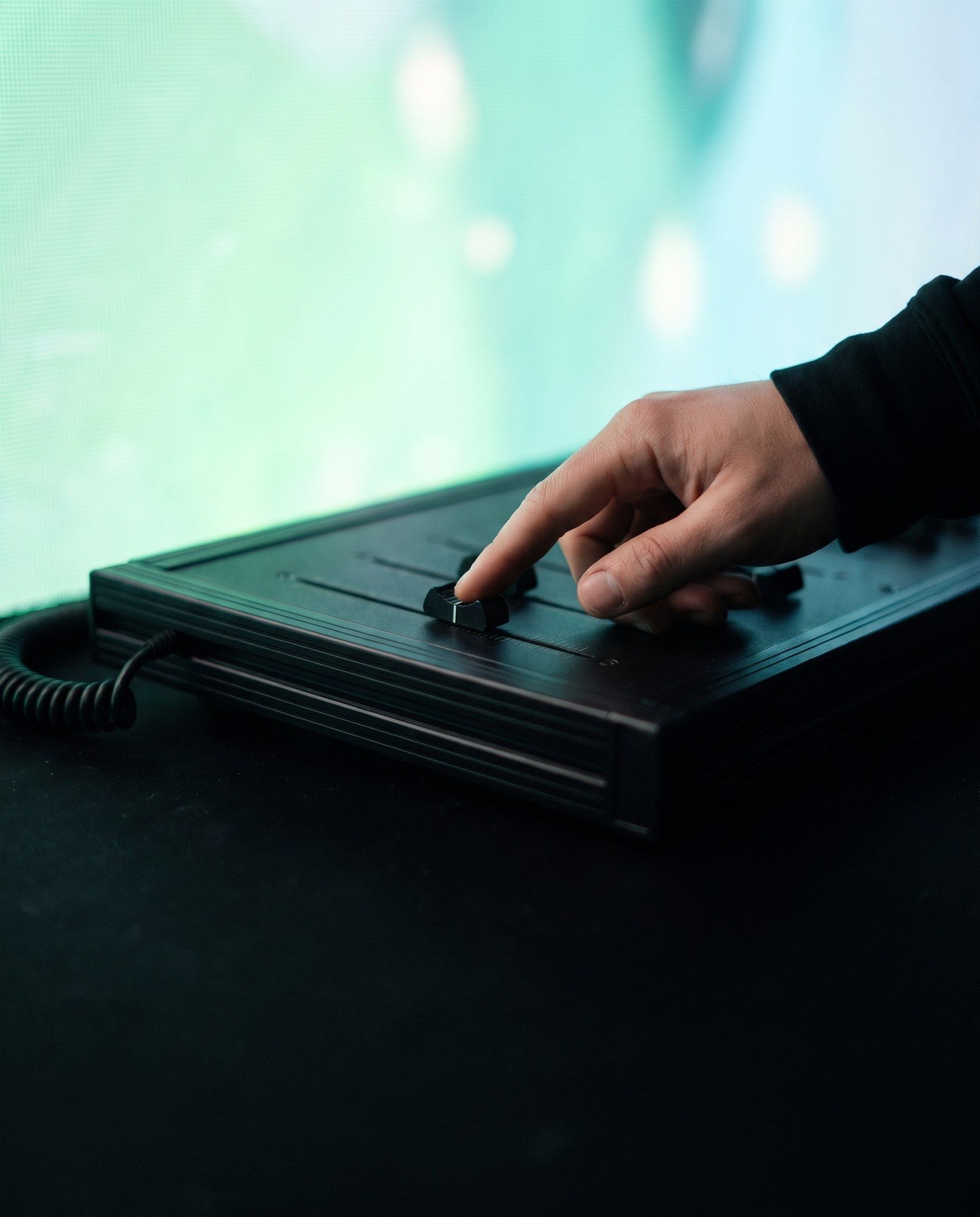
| Sensing trial | Inputs under defined conditions | The whole visitor journey |
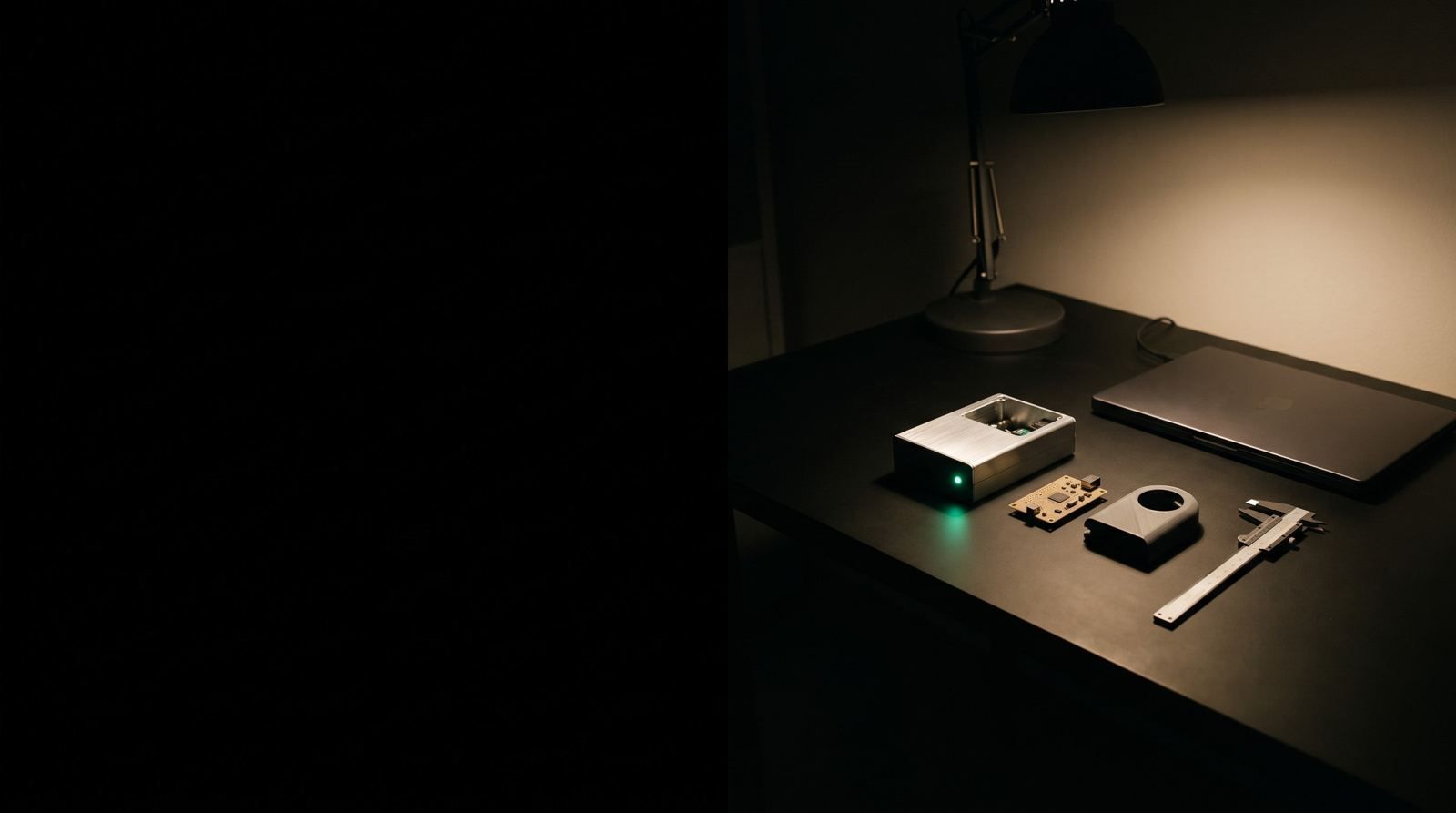
| Representative physical assembly | A specific material or mechanical behaviour | Every full installation condition |
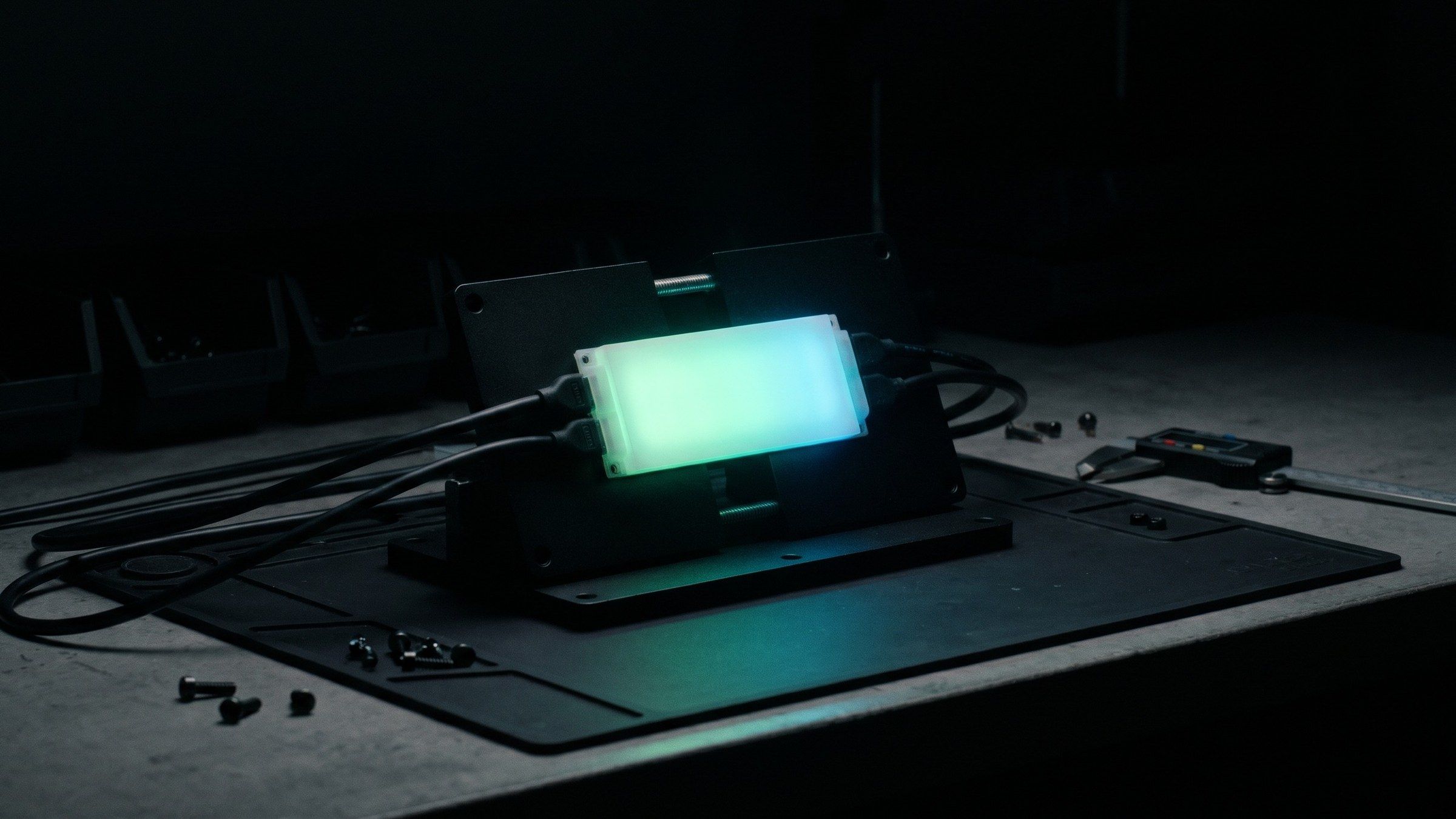
| Integrated trial | Interfaces and end-to-end behaviour | Untested sites, loads, or future software changes |
A smaller prototype can be the right tool if its limits match the question. The mistake is drawing a conclusion that the prototype was not designed to support.
Write a short test brief
Record the question, the proposed method, the conditions, the expected evidence, and the decision that follows. Identify who needs to observe and who accepts the result.
For a hypothetical object-based exhibit, the team might test whether the intended items can be recognised reliably in the planned arrangement. The test should include adjacent objects, different placements, and removal. It does not need finished graphics to answer that first question.
Later, an integrated prototype can test whether the visual response and reset make sense to visitors. These are separate tests with different evidence. This example is a planning scenario, not an account of XSEDES testing.
Include difficult cases deliberately
The most convenient input is rarely the whole operating range. Try interrupted actions, abandoned sessions, simultaneous visitors where relevant, delayed services, and a restart after interruption.
For generated content, use a defined evaluation set and review process. NIST’s Generative AI Profile is a useful reference for structuring risk considerations; the project still needs tests tied to its actual audience and workflow.
For physical movement, involve the appropriate engineering specialists in defining representative tests and their limits. A creative trial should not be treated as approval for public operation.
Observe behaviour before explaining it
When testing with representative users, allow them to try the intended task before providing additional instructions. Note what they notice, what they attempt, where they hesitate, and what they think the result means.
Distinguish an interaction problem from a content problem. Someone may operate the controls correctly yet misunderstand the product story. Another person may understand the story but be unable to reach or use the interface comfortably.
Use these observations to decide what to change. Adding instructions may help, but so might changing the layout, simplifying the task, or choosing a more explicit control.
Keep a decision log
For each test, record the setup, software or content version, conditions, result, limitations, and next decision. Attach photographs or recordings where appropriate and permitted.
Useful outcomes include “continue with this method,” “change the interface,” “test under a more representative condition,” and “remove this feature.” A test that rejects an idea can still be valuable if it prevents an unsupported assumption from reaching production.
Avoid reporting “prototype approved” without explaining what was approved. Creative direction, usability, sensing, and technical integration may each have a different acceptance owner.
Move from prototype to production deliberately
List what must change for the final build. Temporary wiring, development hardware, placeholder content, exposed controls, and manual reset procedures may have been acceptable during exploration. They need to be assessed against the production requirements.
Define the next acceptance stage. A working prototype is a piece of evidence, not a substitute for installation checks, commissioning, training, and the final operating handover.
For touring or international work, add the assumptions that might change by location. A test in one room does not establish the same sensing, visibility, or network conditions at every destination.
Frequently asked questions
Does every project need a prototype?
The need depends on uncertainty. A familiar configuration may need targeted verification, while a new interaction or physical mechanism may need several stages of prototyping.
Should the prototype look finished?
Only when visual finish is part of the question. Early prototypes can use simple content if that is enough to test the important assumption.
What is the difference between a prototype and commissioning?
A prototype explores and tests a proposed approach. Commissioning checks the installed system against the agreed requirements and prepares it for operation.
Define the question before building the demonstration
Bring your concept to XSEDES with the assumptions you most need to test. Use our interaction design guide, event technology brief, and cost planning guide to connect the prototype to a production decision.
More on planning and delivery.
-
How to Write an Event Technology Brief: A Practical Template
-
Event Show Control: Coordinating Media, Light, Sound, and Motion
-

Experiential Technology Cost: How to Build a Comparable Budget