









How to Write an Event Technology Brief: A Practical Template
Write an event technology brief that covers objectives, visitor actions, venue conditions, content, responsibilities, testing, budget, and handover.
An event technology brief explains what an experience must achieve, how visitors should interact with it, where it will operate, and what the delivery team is responsible for. A useful brief includes constraints, content ownership, testing, operation, budget boundaries, and acceptance. It allows suppliers to respond to the same problem.
You do not need to have selected every component before approaching a technology partner. You do need to distinguish confirmed requirements from assumptions and open questions. That distinction helps the team explore options without treating an early sketch as an approved specification.
Begin with the decision the audience should make
State the campaign or experience objective in plain language. Explain the audience, the context, and the action you want to support. Replace “innovative engagement” with something observable, such as comparing two product applications or completing a guided demonstration.
Include the intended next step. Will the visitor speak to a representative, explore another area, receive a resource, or leave with a clearer understanding? The answer changes the interaction, staffing, and measurement plan.
If there are several objectives, rank them. A project cannot reliably optimise for the shortest queue, deepest interaction, widest content scope, and lowest cost without trade-offs.
Use this event technology brief template
| Section | Information to supply |
|---|---|
| Project context | Brand, agency, event or venue, country, key dates, and decision owners |
| Audience | Visitor type, languages, expected attendance pattern, and access requirements |
| Objective | The understanding or action the experience should support |
| Interaction | Start action, main choices, response, completion, and reset |
| Site | Drawings, dimensions, photographs, lighting, sound, power, network, and access constraints |
| Content | Copy, models, media, translations, rights, approvals, and delivery deadlines |
| Integration | Interfaces with scenery, displays, sound, lighting, motion, registration, or other systems |
| Delivery scope | Design, prototyping, fabrication, software, installation, commissioning, and removal as applicable |
| Operation | Staffing, training, daily checks, support, fallback, and escalation |
| Commercial boundaries | Budget range if available, currency, scope priorities, and requested pricing breakdown |
| Acceptance | What will be demonstrated, under which conditions, and who signs off |
| Handover | Documents, source assets where agreed, licences, maintenance information, and update responsibilities |
This is an original planning template. Adapt it to the project rather than treating every field as a mandatory deliverable.
Label what is confirmed and what is unknown
Give each major requirement a status: confirmed, assumed for estimating, or to be investigated. Add an owner and a decision date for open items.
For example, a venue drawing may be confirmed while the network connection is still being arranged. A product animation may be planned while the final model is not yet available. These are different kinds of uncertainty and should not disappear inside a single “content supplied by client” note.
Ask suppliers to identify the assumptions behind their proposal. If a price depends on supplied rigging, a certain access window, or approved media arriving by a deadline, those conditions need to be visible.
Define interfaces between teams
Most delivery problems have a boundary somewhere: content to playback, scenery to hardware, software to registration, or operator to show caller. Name the owner on each side of each interface.
A simple interface record can include the source system, receiving system, signal or asset, expected format, responsible person, and test date. Add the behaviour expected when the interface is unavailable.
Do not assume that assigning a supplier to an experience automatically assigns every surrounding responsibility. Venue power, structural approval, network provision, and local support should each have an explicit owner where relevant.
Ask for evidence at the appropriate stage
Before final fabrication, identify what needs a prototype. Before installation, confirm drawings, interfaces, content, and access. Before public opening, test the integrated system and operator tasks in representative conditions.
Define acceptance with observable results. “The experience is engaging” may be an aspiration; “a visitor can complete the approved sequence and the system resets for the next session” is testable. Creative quality still needs an approval owner alongside technical checks.
For the digital interface, W3C’s accessibility guidance is a useful reference. Site, physical access, and specialist safety requirements need to be covered by the responsible project reviewers.
Make international responsibilities explicit
For projects crossing borders, include the delivery location, installation team, supported languages, time-zone overlap, local sourcing plan, and support handover. Confirm commercial, transport, and regulatory responsibilities with the relevant specialists rather than leaving them implied.
An agency in India commissioning an overseas experience, or an international agency commissioning work in India, benefits from the same clarity. A shared brief should explain who is present on site and who can make decisions remotely.
Compare proposals against a common scope
Ask each supplier to separate included items, exclusions, options, assumptions, dependencies, and recurring costs. Check the treatment of content revisions, testing, operators, travel, support, and replacement parts.
Use the experiential technology cost guide to normalise the comparison. A lower headline figure is only meaningful when the underlying scopes are comparable.
Frequently asked questions
Can we brief a concept before the venue is confirmed?
Yes. Mark venue-dependent assumptions and request an exploratory scope. Expect the design and estimate to be reviewed when the actual site is known.
Should a brief name the required technology?
Name it when it is a confirmed constraint. Otherwise describe the visitor behaviour and invite the partner to explain suitable technical options and trade-offs.
How detailed should the first brief be?
Detailed enough to explain the objective, site context, dates, audience, budget boundaries, and open questions. Expand the technical detail as the concept becomes defined.
Start with a clear shared document
Send your brief to XSEDES using the template above. If the interaction remains uncertain, start with prototype planning. If the experience depends on several coordinated systems, include the questions in our show-control guide.
More on planning and delivery.
-
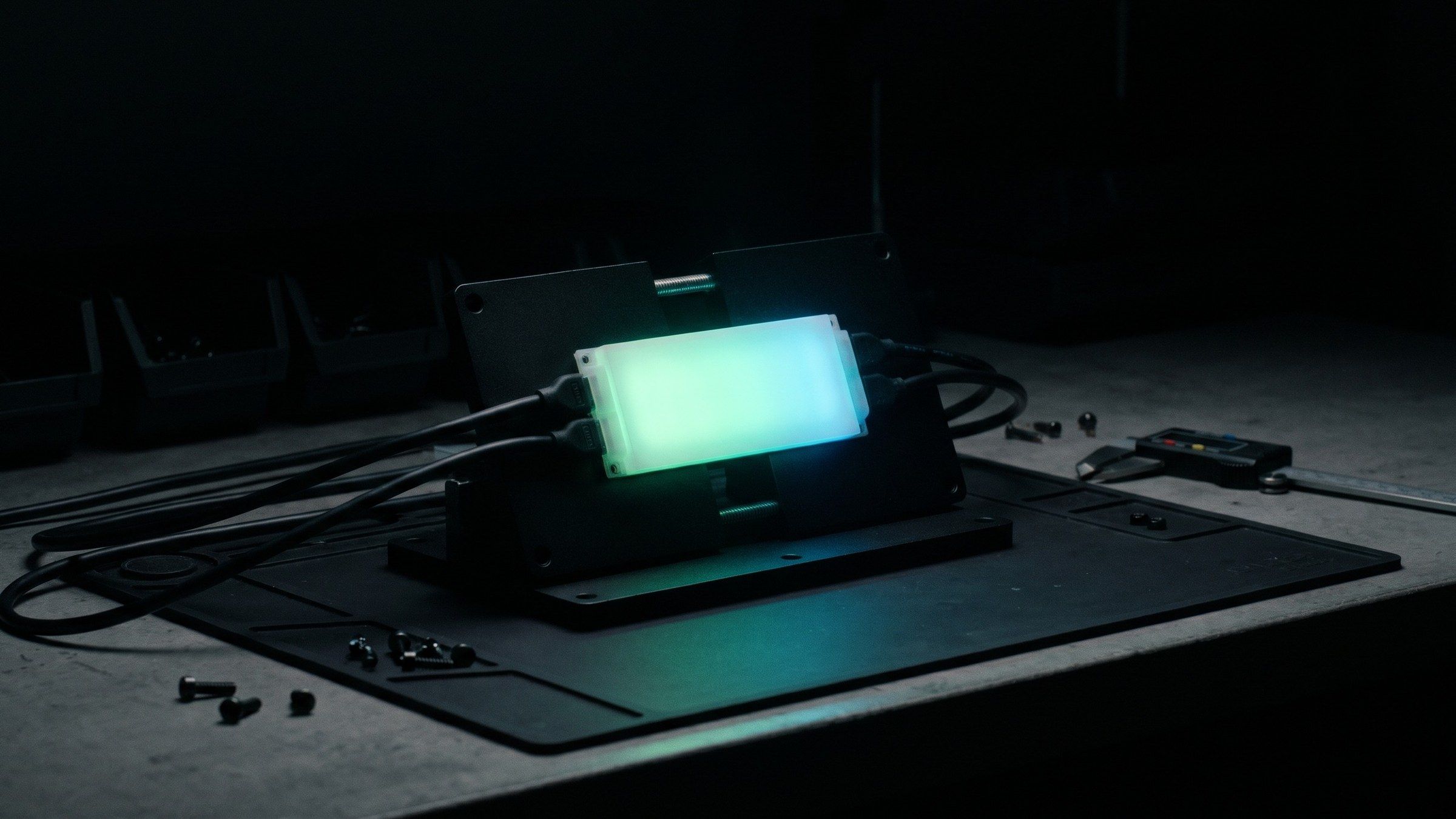
Experiential Technology Prototyping: Test the Uncertain Part First
-
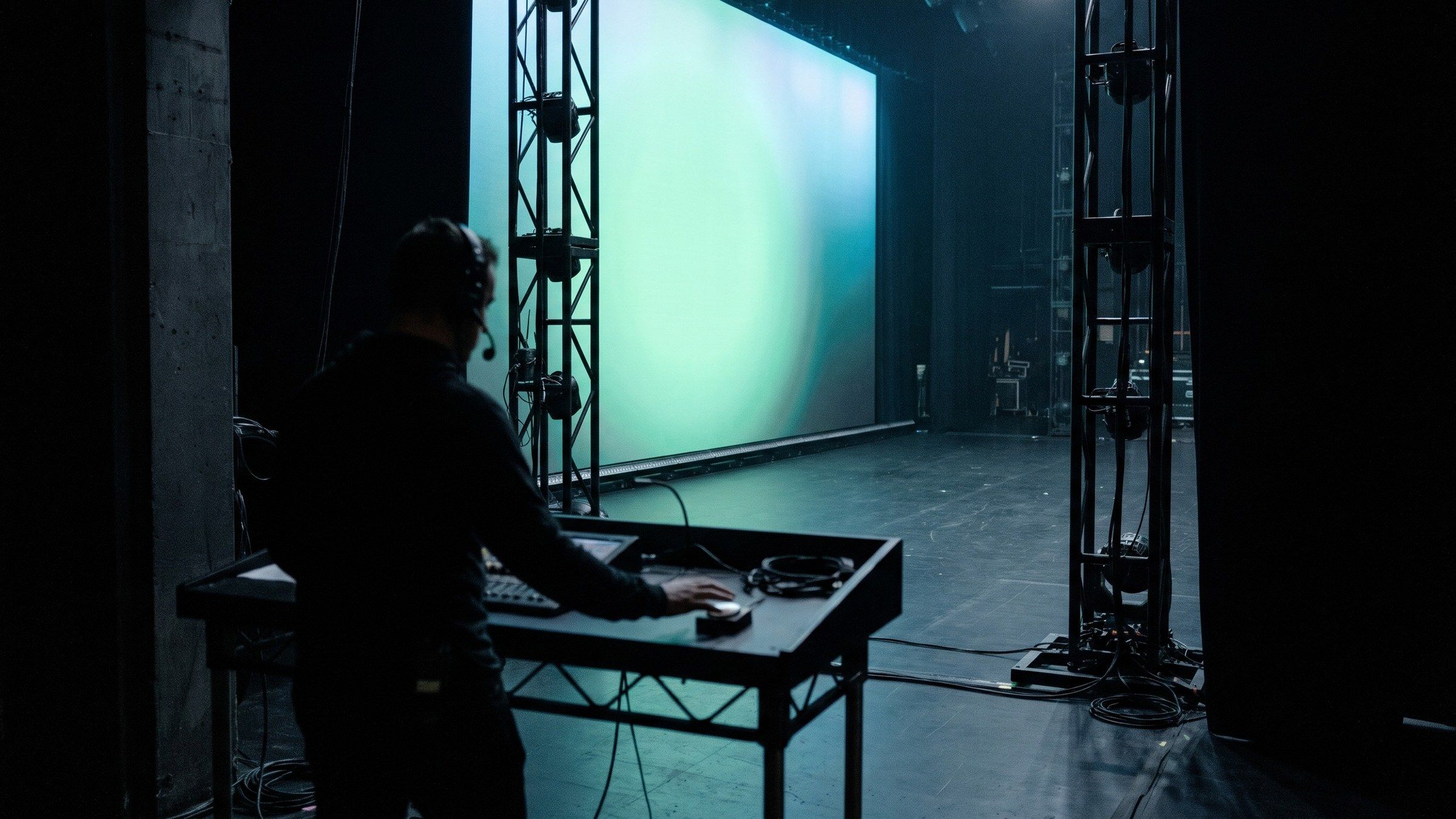
Event Show Control: Coordinating Media, Light, Sound, and Motion
-

Experiential Technology Cost: How to Build a Comparable Budget