X-CAPTURE at TEDxKMCT, by the numbers.
On 31 October 2026 XSEDES ran the X-CAPTURE AI Portrait Booth at TEDxKMCT 2026 on the KMCT campus in Calicut. Three stations, a full day, 559 futures imagined and 520 finished portraits. This is the engagement report for the organising team.
Prepared 1 November 2026 · Source: booth system reports, three stationsHeadline numbers
- Futures imagined 559 booth sessions across three stations
- Pictures taken 787 1.4 per session
- AI portraits 520 in the TEDX style
- Generation success 97 % 16 of 536 attempts failed
- Average generation 15.1 s capture to finished portrait
- Portraits taken home 425 by QR code, 82 % of portraits
One booth, two tablets, one style for the day.
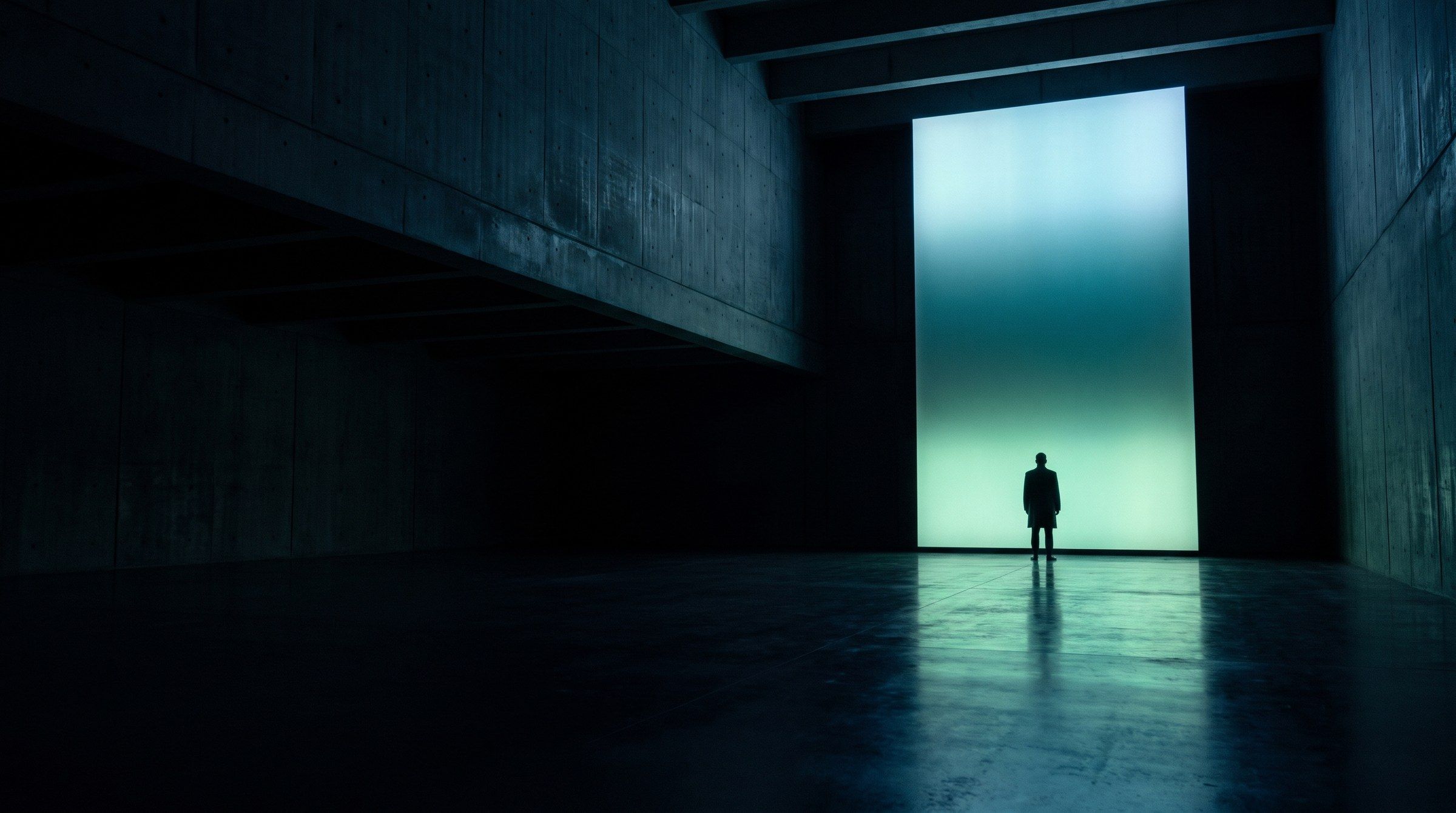
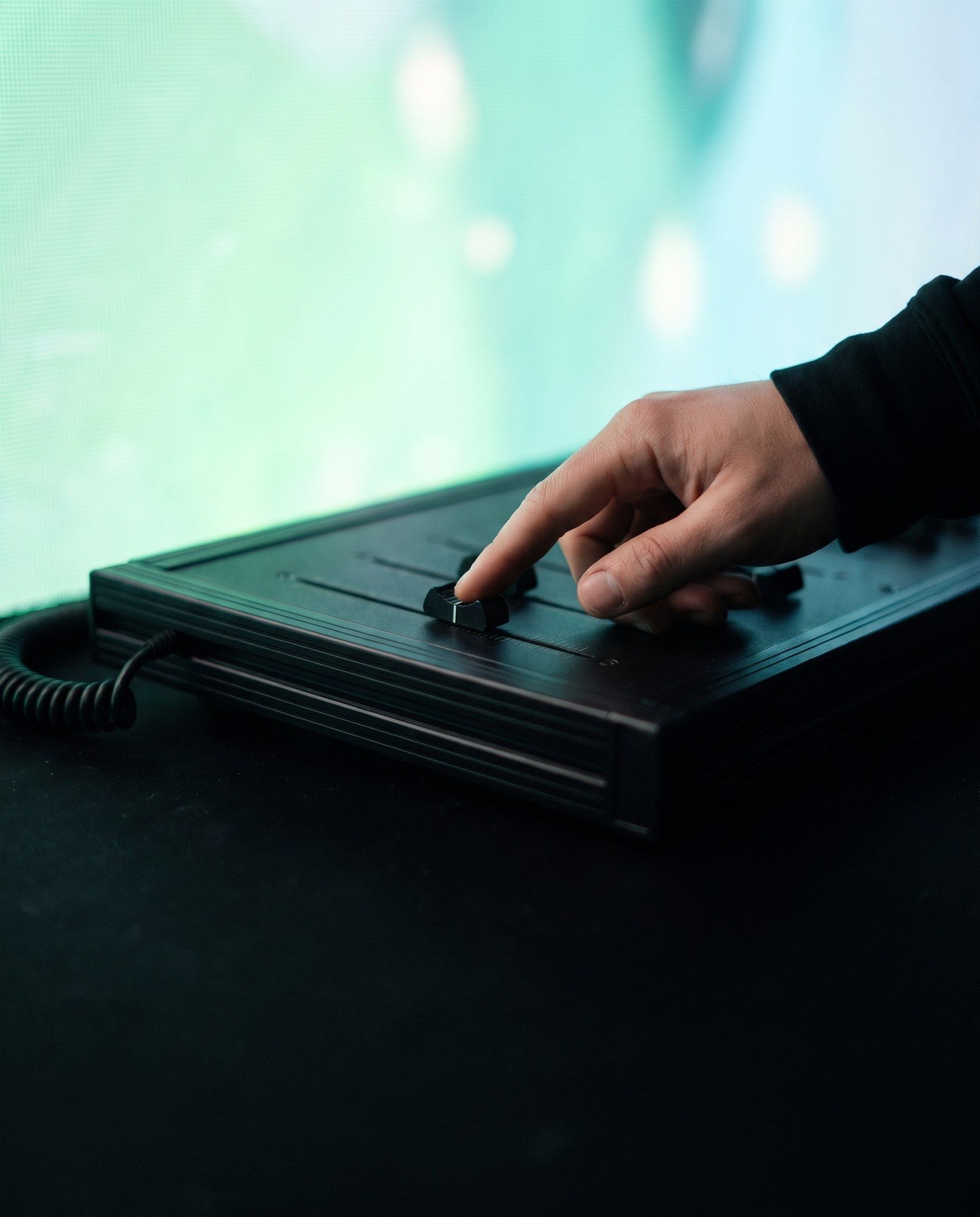
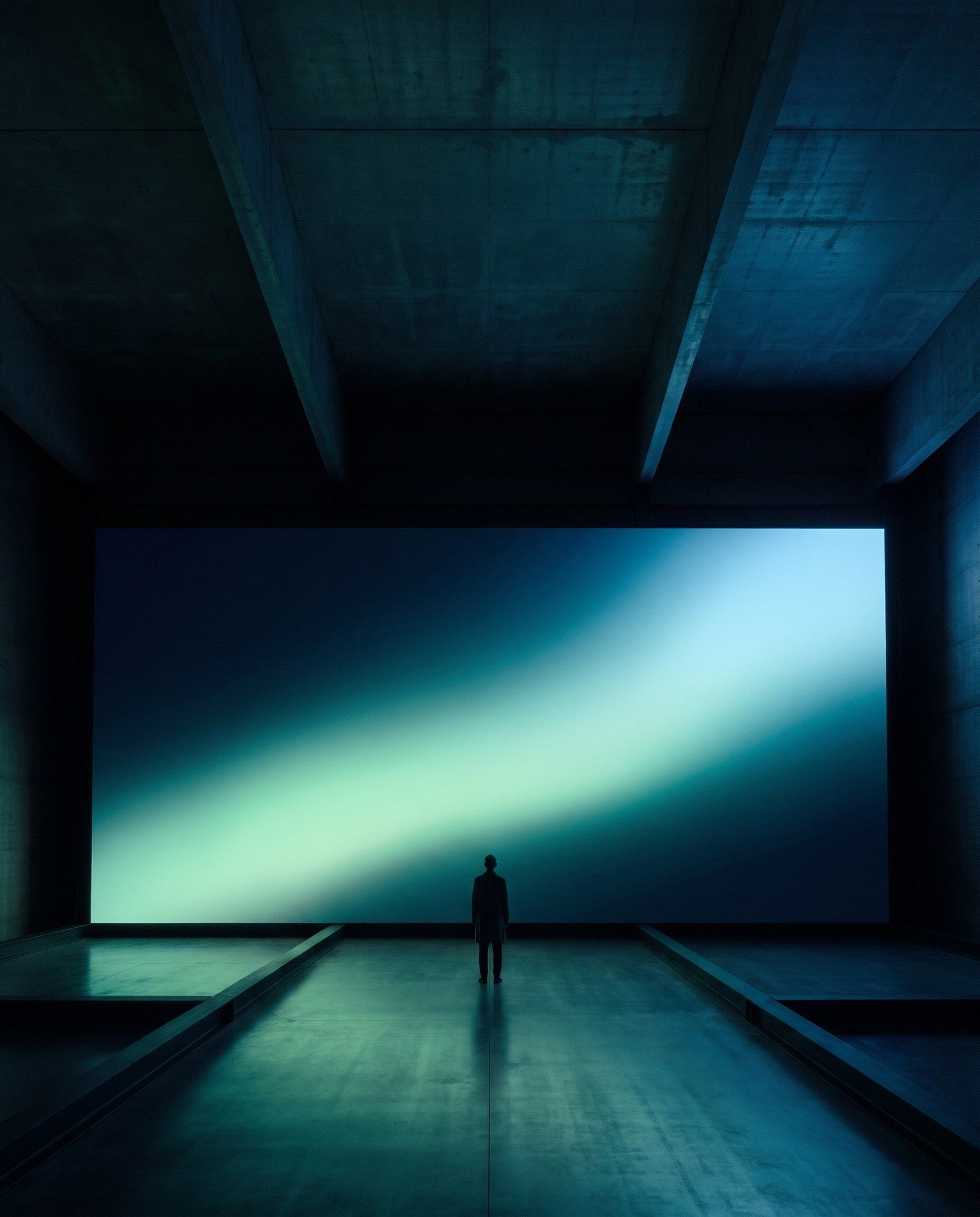
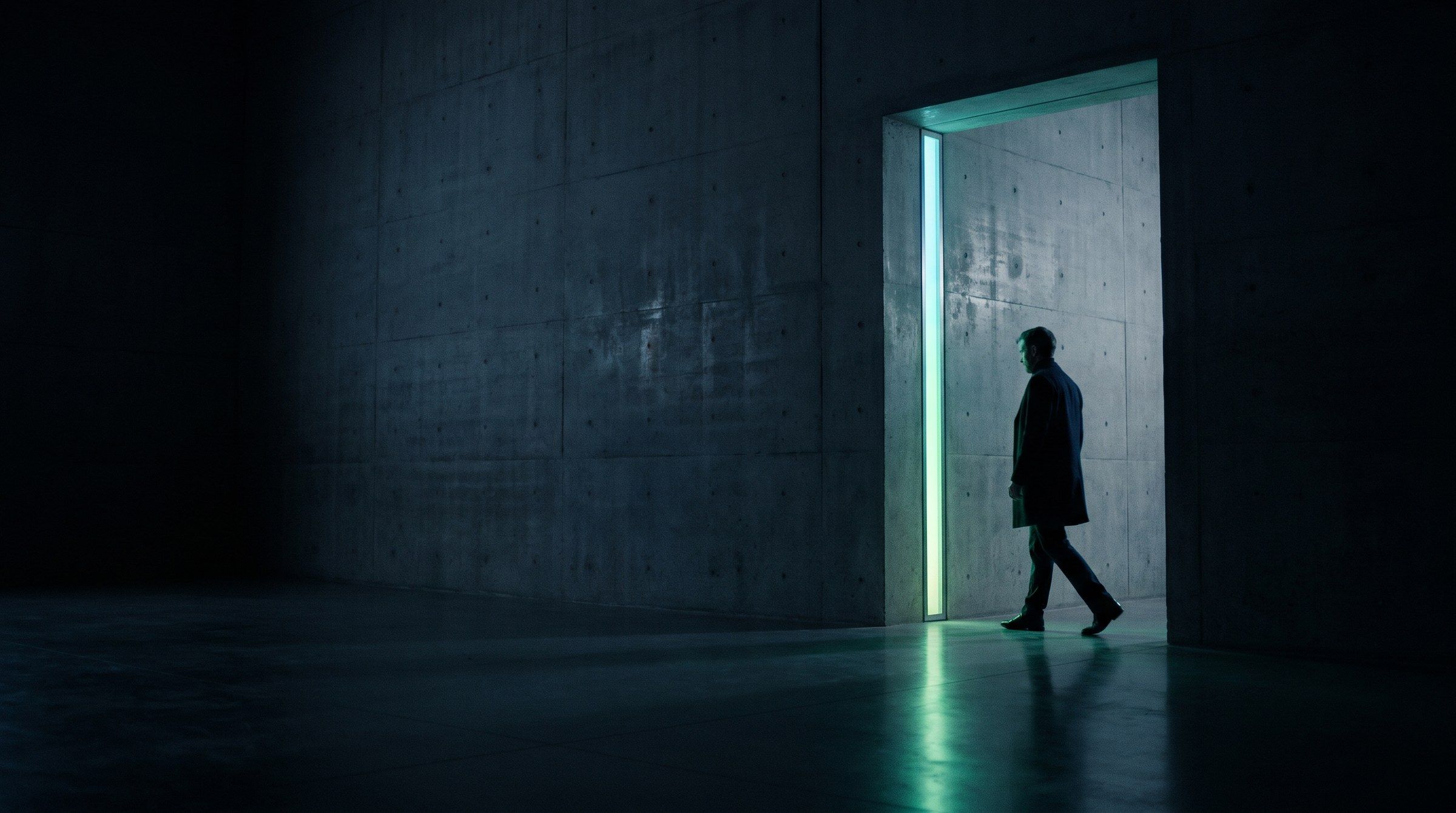
The AI Portrait Booth photographs a guest, generates a portrait in a style made for the event and hands it back on screen within seconds. For TEDxKMCT 2026 the portrait style was TEDX: a poster in the event's own visual language, in four layouts, carrying the guest's name, the future they typed in at the booth and a line to go with it. One style for every guest, so the 520 portraits read as a single body of work when they are shared.
The programme ran from 9:00 am to 5:00 pm. The booth was active from 08:13 to 18:31, 10 h 18 min, covering set-up, testing and use after the programme; two tablet stations joined from mid-morning. Guests took their portrait home through a QR code on the final screen; printing was not offered.
The AI Portrait Booth is part of X-CAPTURE, the XSEDES photo and video booth product family. It was staffed by the XSEDES team throughout the day.
Activity by hour, all stations. The peak was 15:00.
Show the hourly table
| Hour | Pictures taken | AI portraits |
|---|---|---|
| 07:00 | 1 | 1 |
| 08:00 | 17 | 15 |
| 09:00 | 34 | 21 |
| 10:00 | 66 | 46 |
| 11:00 | 86 | 50 |
| 12:00 | 66 | 52 |
| 13:00 | 97 | 63 |
| 14:00 | 99 | 62 |
| 15:00 | 139 | 86 |
| 16:00 | 62 | 45 |
| 17:00 | 101 | 63 |
| 18:00 | 19 | 16 |
| Total | 787 | 520 |
The main booth did the heavy lifting. The tablets added 42 %.
| Station | Active | Sessions | Pictures | Portraits | Success | Avg time | Retakes | QR shown |
|---|---|---|---|---|---|---|---|---|
| Main boothFloor-standing booth | 08:13 – 18:31 | 325 | 409 | 304 | 97 % | 15.2 s | 101 | 264 |
| Station 2Tablet station | 07:21 – 17:40 | 122 | 183 | 113 | 97 % | 14.9 s | 66 | 79 |
| Station 3Tablet station | 10:34 – 17:37 | 112 | 195 | 103 | 98 % | 14.8 s | 85 | 82 |
| All stations | 08:13 – 18:31 | 559 | 787 | 520 | 97 % | 15.1 s | 252 | 425 |
Station 2's first activity at 07:21 is a set-up check; sessions began after the main booth opened. Success is portraits generated as a share of generation attempts.
97 % of attempts produced a portrait, in 15.1 seconds on average.
- Generation attempts
- 536 520 succeeded, 16 failed. Every failed attempt could be retried on the spot.
- Time to portrait
- 15.1 s Station averages ranged from 14.8 to 15.2 seconds, steady from the first hour to the last.
- Taken home
- 425 QR codes shown, 82 % of portraits. Printing was not offered at this edition.
- Booth active
- 10 h 18 min booth active, 08:13 to 18:31, covering set-up, testing and use after the programme, which ran 9:00 am to 5:00 pm.
Four things the data says about how guests used it.
- 01
Guests came back for a second go
252 retakes were recorded, about one for every two finished portraits. A retake is a guest choosing to stay at the booth rather than walk away with the first result.
- 02
The afternoon was the busiest
The hour from 15:00 brought 139 pictures and 86 portraits. The hours from 13:00, 14:00 and 17:00 each brought close to 100 pictures.
- 03
Three stations carried the crowd
The two tablet stations produced 42 % of all portraits. At 15:00 Station 2 alone took 58 pictures, more than the main booth in the same hour.
- 04
The phone was the keepsake
425 QR codes were shown so guests could download their portrait, 82 % of all portraits generated. With no printing at this edition, the download was the only way to keep it.
What we would change to go further.
- 01
Add capacity for the peaks
Queues form in the breaks. A second main booth, or a fourth tablet station near the auditorium exit, would have cleared the 15:00 and 17:00 surges faster.
- 02
Offer more than one style
Every portrait used the single TEDX style. Two or three event styles give guests a reason for a second session rather than a retake of the first.
- 03
Add on-site printing
Guests left with a download only. A printed portrait at the booth gives them something to hold, and something other guests see across the room.
- 04
Capture the share
The system counts QR codes shown, not downloads or social posts. An opt-in email or a branded share link would measure reach after the event, not only at it.
How the numbers were counted.
The figures are the booth system's own exports for the three stations, produced on 1 November 2026, added together without adjustment. The system records sessions and generations; it does not identify guests, so the figures count futures and portraits, not people. The average generation time is weighted by each station's portrait count.
- Futures imagined
- One booth session, from the first tap to the final screen, in which a future was chosen. One guest could run several sessions, and a group portrait is one session. A session may hold more than one picture.
- Pictures taken
- Every capture the camera made, including the ones guests chose to retake.
- AI portraits generated
- Finished portraits in the TEDX style, delivered to the guest on screen.
- AI success rate
- Portraits generated as a share of all generation attempts (generated plus failed).
- Average AI time
- Seconds from capture to finished portrait, averaged over the portraits each station produced.
- AI retakes
- Times a guest chose to capture again after seeing a result.
- QR codes shown
- Times a guest was shown the code that downloads their portrait to their phone.
To the TEDxKMCT 2026 organising team, the volunteers who kept the queue moving, and every guest who stepped in front of the camera.
Questions about this report: hello@xsedes.com
XSEDES · Experience. Engineered. · www.xsedes.com · hello@xsedes.com · +91 80899 32244